

How Open Banking Drives Financial Innovation

Open banking is a system that allows banks and financial institutions to share customer data securely with approved third-party apps and services. It reshapes traditional banking by giving people more control over their financial information and allowing fintechs to build smarter tools on top of existing bank infrastructure.
The Future of Global Payments: Role of Stablecoins and Payment Processors
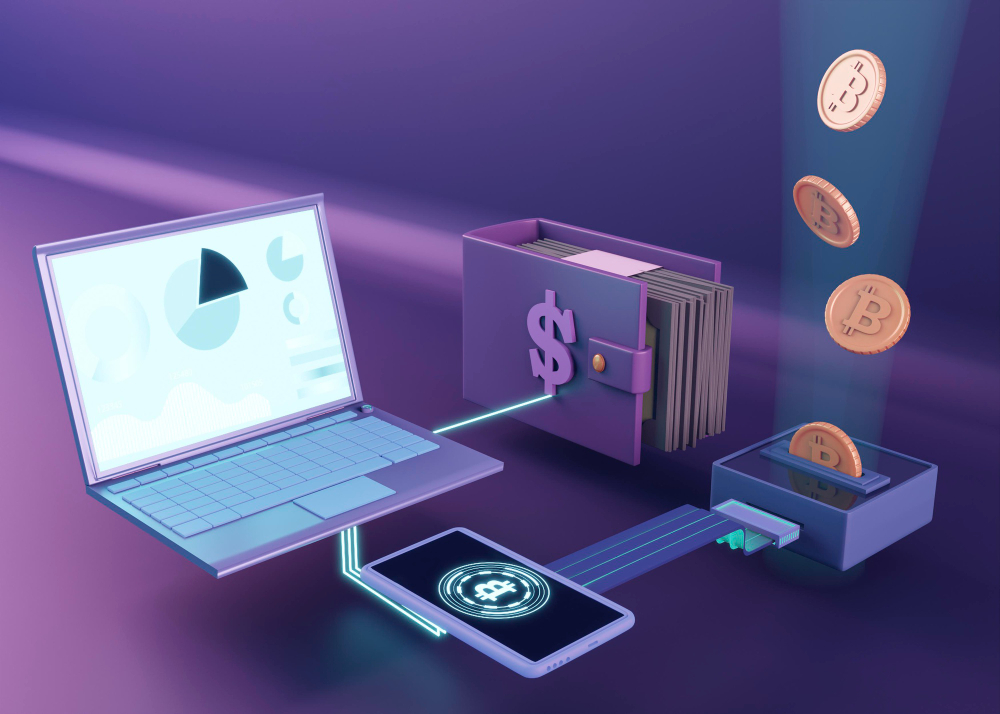
Global payments are rapidly evolving toward faster, borderless, and more transparent systems. Businesses and consumers now expect instant transfers, lower fees, and reliability that traditional banking often can’t deliver.
How SMEs Can Leverage Stablecoins for Payments and Growth

Stablecoin for SME payments is changing how small and medium-sized businesses operate worldwide. These digital assets make cross-border payments faster, cheaper, and more transparent than traditional banking systems.
How Stablecoins Accelerate Settlement Times in Payments

To start with, stablecoins act as digital currencies designed to maintain a steady value, linking the speed of blockchain with the reliability of traditional money. Within payment systems, they function as a bridge, allowing businesses and users to move funds instantly without waiting for banks or intermediaries.
Stablecoins and Volatility Risk: What Payment Businesses Should Watch

Stablecoins are built to deliver predictable value, yet stablecoin volatility risk remains a key concern as liquidity gaps, market sentiment, and reserve management challenges can still disrupt stability.
Understanding Liquidity & Backing of Stablecoins in Payment Systems

Stablecoin liquidity and backing play a central role in ensuring trust, reliability, and smooth operation across modern digital payment systems. Hence, liquidity refers to how easily a stablecoin can be exchanged or redeemed for fiat or other assets, while backing represents the reserves, cash, treasuries, or equivalents, that guarantee each token’s value.
Stablecoin Payments vs Fiat Payments for Merchants: Pros & Cons

Nowadays, as digital transactions keep evolving, stablecoin payments vs fiat payments has become a key topic for modern merchants seeking smarter ways to manage money.
Integrating Stablecoins into Your Payment Stack: Technical & Operational Steps
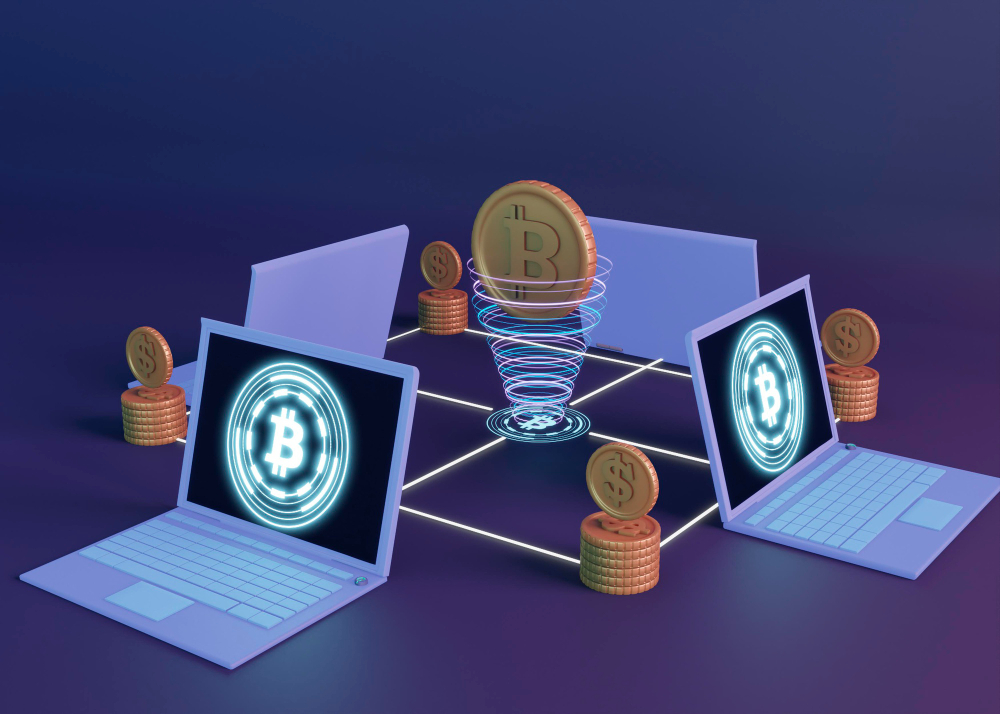
Integrating stablecoins into your payment stack allows businesses to leverage digital assets for faster, lower-cost, and borderless transactions. Companies are increasingly adopting stablecoins to streamline payments, reduce fees, and expand their global reach while maintaining transactional stability.
What Are Payment Rails

Behind every transaction lies a sophisticated web of systems called payment rails. These are the digital highways that enable funds to move between banks, businesses, and consumers safely and efficiently. If money moves electronically, payment rails make it happen.
Microtransaction vs Micropayment: Meaning And Differences

Though often used interchangeably, these two concepts are not the same. Understanding the distinction between microtransaction vs micropayment helps businesses, developers, and consumers navigate how money moves across digital platforms — from online media to gaming ecosystems.