

Manual Credit Card Processing: How to Charge a Credit Card Manually

Swiping or tapping your card feels like second nature when paying. But when malfunctions happen, you’ll need manual entry credit card processing. While not always the first choice, it remains a valuable backup option that allows businesses to keep transactions flowing even when technology or logistics get in the way.
Understanding Level 1, 2, and 3 Credit Card Processing

Credit card processing takes into account how much transaction data a business provides to the card networks. This data is categorized into Level 1, Level 2, and Level 3 credit card processing, each with its own requirements and impact on fees.
How to Avoid Credit Card Processing Fees

For many businesses, credit cards are the lifeblood of transactions. Customers expect to swipe, tap, or click without friction without knowing merchants pay for the convenience. These costs, known as credit card processing fees, can eat into profits quickly. Learning how to avoid credit card processing fees is one of the smartest moves for improving cash flow.
Sanctions Screening in Payments: Why It Matters for Global Transactions

Money now moves across borders in seconds, turning global transactions into the heart of modern commerce. But with this speed and reach comes a serious responsibility: ensuring that funds don’t end up in the wrong hands. This is where sanctions screening in payments comes in.
How Do Banks Conduct Credit Card Fraud Investigations?

Credit card fraud has become one of the most pressing challenges in today’s financial world. With billions of transactions happening every day, fraudulent activity can cost both banks and consumers significant money if not addressed quickly. Thankfully, fraud investigations exist to protect customers, safeguard bank assets, and ensure the payment system remains trustworthy. To understand […]
Dual Pricing Explained: Pros, Cons, Considerations & More

Credit card payments have become the norm in today’s world, but they come at a cost. Every swipe or tap involves processing fees that eat into profits, especially for small businesses running on thin margins. To balance these costs, many merchants are turning to dual pricing, a strategy that sets two prices depending on how a customer pays.
The 4 PCI Compliance Levels Explained
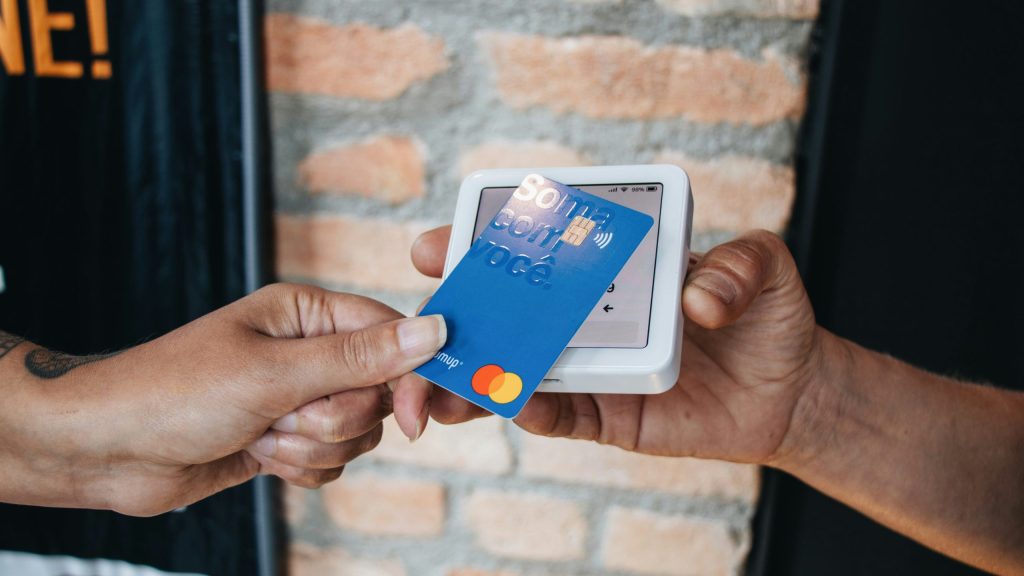
At its core, PCI compliance is all about protecting sensitive customer data and ensuring that payment transactions remain secure. The PCI DSS (Payment Card Industry Data Security Standard) framework defines four PCI compliance levels, which vary depending on how many transactions a business processes each year and its history of security breaches.
Offline Credit Card Processing: How to Accept Payments Offline

Most people assume that credit card transactions always require an internet connection, but what happens if your business is in a location with poor connectivity or you’re operating at a temporary event where Wi-Fi isn’t reliable?
How Do Credit Card Refunds Work?

When you buy something with a credit card and later return it, you don’t usually get handed back cash. Instead, the amount is sent back to your credit card account as a refund. Seems simple, but refunds actually involve multiple players working together to reverse the original transaction.
Payment Processing ISO: What is an ISO & What is Their Role

Short for Independent Sales Organization, an ISO plays a vital role in the payment ecosystem. Understanding how ISOs work can help you choose the right partners, reduce risks, and keep your business running smoothly.